 |
| Pierre-Louis Pierson, The Foot, 1894. Pierre-Louis Pierson was born in 1822, in France. In 1844 he began operating a studio in Paris that specialized in hand-colored daguerreotypes. |

|
| Pierre-Louis Pierson, The Foot, 1894. Pierre-Louis Pierson was born in 1822, in France. In 1844 he began operating a studio in Paris that specialized in hand-colored daguerreotypes. |

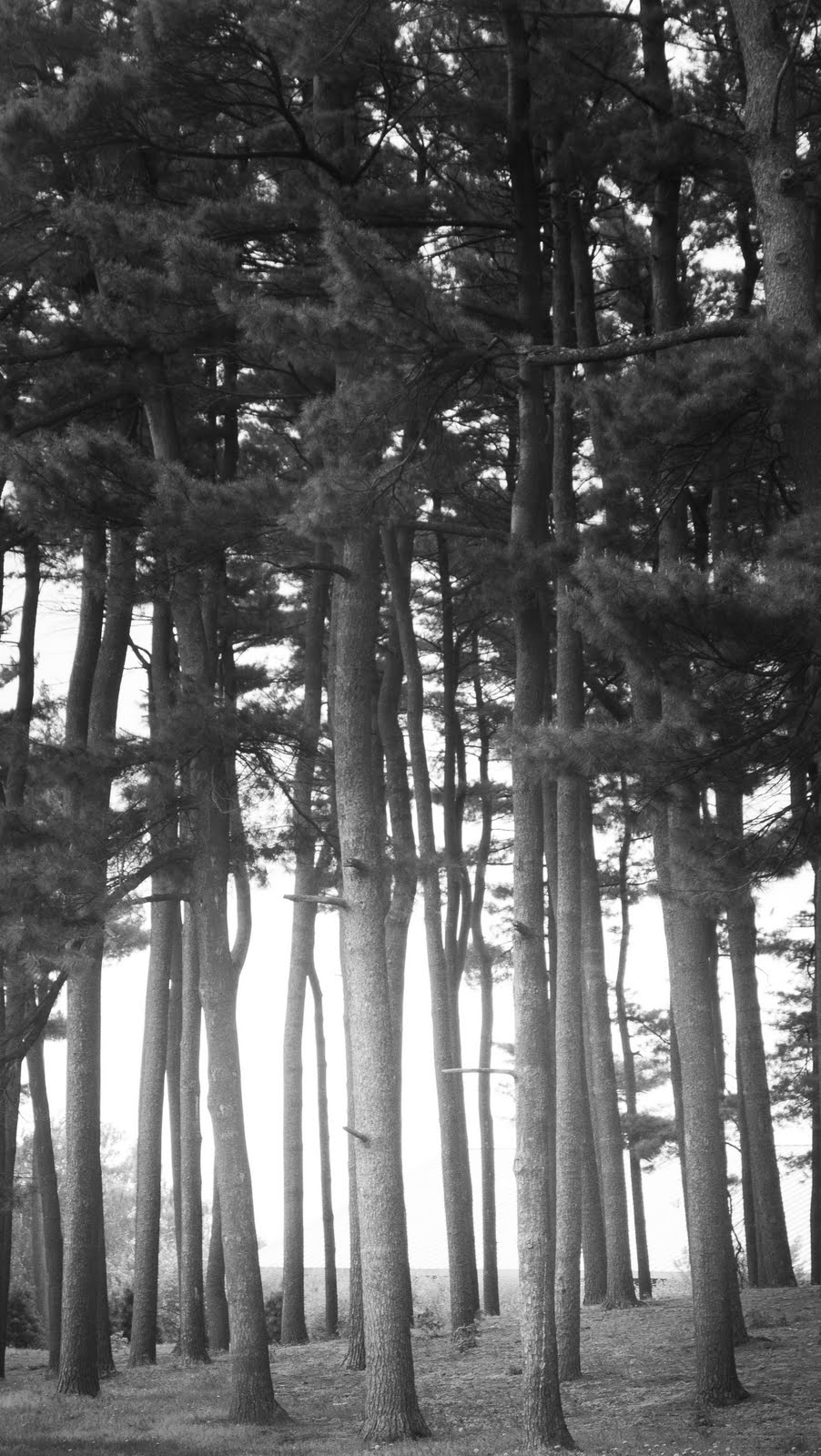 |
| midday_juxtaposition I placed the woods to occupy the whole frame, because I want to let my viewers know that my topic was right in those woods. That was a sunny day when I was taking this photo, so the sunshine came through towards my camera from the spaces among those trees,which made the juxtaposition of those trees more obvious. So I used the adjustment brush to make those lights brighter, to highlight my prompt. I found juxtaposition among those trees, so I chose to shoot them. The sunshine during midday helped me a lot to make the picture much better. The trees might be the main actor in this photo, but I would like to make sunshine as the leader role, either. The juxtaposition made those trees seemed formal or boring, but I found if I draw my attention onto the sunshine rather than those trees, it become not so boring at all. Sometimes it is interesting if we judge something from a different point of view. The students in class interpreted this photo as juxtaposition and they noticed the midday light topic as well. Based on the critique, I believed the midday light topic had been conveyed, but for juxtaposition, I need to adjust the horizon to make it much more obvious. For extention, I could make a series of photos of different groups of woods at different place and under different light situation. |
 |
indoor_transparency I placed the camera very close to the water, ignoring all the others. The only thing I want to show in this photo was just that little pool of water. I used the adjustment brush to blur the part of table without water, and then made the value of clarity of the water part 100%. When I saw the prompt "transparency", the first thing popping out in my mind was water. I guess it is the most appropriate representative of transparency. In order to show it well, I made this photo just focus on water, but nothing else. With the use of adjustment brush at the parts around the pool of water, it was hard to know where the pool of water was on. But, just because of the transparency of the water, it was possible for us to see right through the water what was covered by it. My classmates were guessing was was the liquid thing in the photo, someone thought that looked like a piece of glass. By saying this, I believe "transparency" was conveyed. Part of the water was blured, because I put the camera too close to it. So if I reshoot this photo, I will adjust the distance between my camera and the water. To extend this piece, I am interested in taking photos of water on different materials, and see how they look if we see them through the water. |
 |
| zoom_symbolic I zoomed my camera to the most to make the statue occupy almost the whole frame. In the background, I chose an angle that the trees behind the statue were dark green. Finally I used the adjustment brush to make the value of contract on the Spartan much higher. This statue must be the most symbolic thing in MSU. I was trying to show that he is very essential for us, so I chose to use some dark-colored trees instead of the sky as the background, making him the brightest thing in the photo, For MSU, the Spartan could be a symbol of our spartan spirit. With the consider of this, I focused my idea on how to to show his importance. After highlighting him in my photograph, I made something looked like a halo surrounding him. Through the discussing of the frame of this photo, I believe that I did well with the "zoom" prompt. Also my viewers had noticed that, in order to show "symbolic", I focused the Spartan by make it bright on a dark background. If I redo this prompt, I will shoot the statue from all possible angles. I'm curious about what is the symbolic stuff of other universities, maybe I will try to may a set of symbols of some other colledges. |


| Recreation Original This photograph, titled Avenue Du Bois De Boulogne, was taken by photographer Jacques Henri Lartigue on January 15, 1911 in Paris. Jacques Lartigue was born in Courbevoie, France on June 13, 1894. He took his first photographs at the age of six, using his father’s camera, and started keeping what would become a lifelong diary. In 1904 he began making photographs and drawings of family games and childhood experiences, also capturing the beginnings of aviation and cars and the smart women of the Bois de Boulogne as well as society and sporting events. He tried out all the available techniques, tirelessly recording the fleeting moments and meticulously arranging his several thousand images in large album. He started taking pictures when he was 6 years old. He would record the people and events of his life. And since it was a privileged life the world we get a glimpse of includes the sites of Paris, beautiful country homes, and the fine toys and leisure time that was available to the upper levels of society. It is like Lartigue was a little spy into the high society world of turn of the century Paris. He knew the things he was shooting very well, so he could turn them into great photographs. The photo was mainly focusing on three groups of figures: a fashionable woman walking her two dogs along the Avenue Du Bois De Boulogne, an old limousine and a horse drawn carriage. he woman is wearing a wide brim hat and a fur coat. He put the woman and her dogs at the very front of the scene and made them in the biggest size among the three groups, in order to show that this woman and her dogs was the most important group of figures. The whole background was almost all white, but the limo and the horse were black, also the woman was wearing a wide brim hat and a fur coat which were all black. Those black figures balanced the scene very well. The photograph was took by Lartigue when he was only 17. He took this suddenly while he was sitting on a bench on the Avenue du Bois de Boulogne, saw this woman was passing by. As Lartigue grew, so did his fascination with women. He knew that pretty women were displaying their dresses every day on the Avenue du Bois de Boulogne, so he chose to sit there to catch those fashions. There was a trick in the photo: Lartigue made a car chasing a horse drawn carriage, which might implied a new century was coming instead of the old ones. He took the picture just because he loved fashion, pretty woman, and there apparels and he wanted to share his love with his viewers. Lartigue said: “I take photographs with love, so I try to make them art objects. But I make them for myself first and foremost – that is important.” He was simply showing us his interests and loves, but as a viewer, I could found some symbols of that time period in Paris or even the whole France through his photograph. I could even know what was the fashion trend at that time in Paris though the woman's apparel, and also know that during the time some new transportations were taking places of the old ones. Also I like the techniques he used in the photo, the whole scene was well-balanced in black and white. Although it was just a black and white photo, it still made the main figures, which were the woman and her dogs outstanding.
|
 |
| Original This photograph, titled Avenue Du Bois De Boulogne, was taken by photographer Jacques Henri Lartigue on January 15, 1911 in Paris. Jacques Lartigue was born in Courbevoie, France on June 13, 1894. He took his first photographs at the age of six, using his father’s camera, and started keeping what would become a lifelong diary. In 1904 he began making photographs and drawings of family games and childhood experiences, also capturing the beginnings of aviation and cars and the smart women of the Bois de Boulogne as well as society and sporting events. He tried out all the available techniques, tirelessly recording the fleeting moments and meticulously arranging his several thousand images in large album. He started taking pictures when he was 6 years old. He would record the people and events of his life. And since it was a privileged life the world we get a glimpse of includes the sites of Paris, beautiful country homes, and the fine toys and leisure time that was available to the upper levels of society. It is like Lartigue was a little spy into the high society world of turn of the century Paris. He knew the things he was shooting very well, so he could turn them into great photographs. The photo was mainly focusing on three groups of figures: a fashionable woman walking her two dogs along the Avenue Du Bois De Boulogne, an old limousine and a horse drawn carriage. he woman is wearing a wide brim hat and a fur coat. He put the woman and her dogs at the very front of the scene and made them in the biggest size among the three groups, in order to show that this woman and her dogs was the most important group of figures. The whole background was almost all white, but the limo and the horse were black, also the woman was wearing a wide brim hat and a fur coat which were all black. Those black figures balanced the scene very well. The photograph was took by Lartigue when he was only 17. He took this suddenly while he was sitting on a bench on the Avenue du Bois de Boulogne, saw this woman was passing by. As Lartigue grew, so did his fascination with women. He knew that pretty women were displaying their dresses every day on the Avenue du Bois de Boulogne, so he chose to sit there to catch those fashions. There was a trick in the photo: Lartigue made a car chasing a horse drawn carriage, which might implied a new century was coming instead of the old ones. He took the picture just because he loved fashion, pretty woman, and there apparels and he wanted to share his love with his viewers. Lartigue said: “I take photographs with love, so I try to make them art objects. But I make them for myself first and foremost – that is important.” He was simply showing us his interests and loves, but as a viewer, I could found some symbols of that time period in Paris or even the whole France through his photograph. I could even know what was the fashion trend at that time in Paris though the woman's apparel, and also know that during the time some new transportations were taking places of the old ones. Also I like the techniques he used in the photo, the whole scene was well-balanced in black and white. Although it was just a black and white photo, it still made the main figures, which were the woman and her dogs outstanding. |
 |
| Recreation Lartigue liked to show us what he loved, so I chose to combine his work with my love. I sent the French woman and her dogs to Beijing, China. I picked on of the most representative places in Beijing, which is Tian Anmen Square as the background, then sticked the woman and her dogs I cut from the original picture onto it. Just like what Lartigue did, I put them at the very front of the scene to highlight them. Lartique made the background white, but I made it different. I adjusted the values to separate the background into two parts: the left darker, and the right lighter. I did this because the woman's dogs are white and were located in the left part, so to be contrast, I made the left background darker; for the same reason, the woman were dressed in black and was in the right part, so I made the right background lighter. |